The Agent Cockpit
for the Post-Seat Enterprise
Agent Cockpit is a private enterprise software initiative exploring how organizations control, measure, and optimize work as AI agents begin operating across business systems.
Built for CIO, CFO, RevOps, BizOps, IT, Security, and AI transformation teams preparing for the shift from seat-based software usage to human-agent operations.
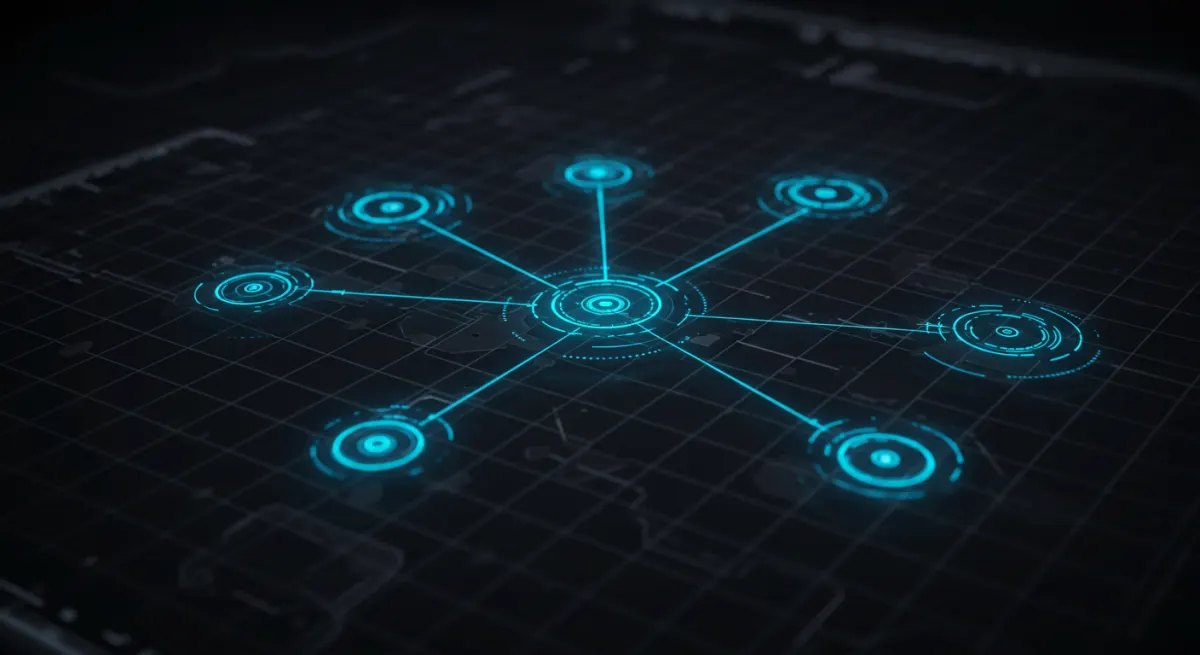
Enterprise software was built for human seats. AI agents are breaking that assumption.
For decades, enterprise software has been priced, governed, and operated around human users. A seat represented access. Access represented work. Work represented value.
That model worked when every business process required a person sitting inside an application. But AI agents are changing the relationship between people, software, and work — they can now read, write, summarize, update, route, compare, reconcile, draft, trigger, and execute across business systems.
The result is a new enterprise question: what work still requires a human seat, and what work can move into a controlled agentic operating model? Agent Cockpit is being built for this question.
Software access
Seats · logins · per-user licensing
Work execution
Actions · outcomes · agentic operations
The seat is no longer the unit of work. Enterprise software is moving from access-based pricing to execution-aware operations.
From seat-based SaaS to agentic work execution
The next wave of enterprise efficiency will come from understanding the difference between software access and work execution.
The enterprise is about to lose visibility into who — or what — is doing the work.
As AI agents enter enterprise workflows, actions may no longer map cleanly to a human user. A record update, approval draft, support response, forecast change, renewal action, invoice review, or workflow trigger may be influenced by a person, an automation, an agent, or a chain of systems.
Existing tools were not designed for this operating model. Agent Cockpit is designed around the idea that enterprises need a new cockpit for this transition.
- 01Unclear ownership of work
- 02Expensive seat allocation
- 03Underused software access
- 04Fragmented agent activity
- 05Weak visibility into agent-driven actions
- 06Difficulty proving accountability
- 07No shared view across CIO, CFO, Security, Ops
- 08AI experiments that don't change operations
A control layer for human-agent operations
The product is still private. The direction is not: a single operating view of how humans, agents, and systems perform enterprise work.
Agent Visibility
Understand where agents participate in enterprise work, which systems they touch, and what actions they influence.
Seat Intelligence
Identify how software access and seat requirements change when work moves from manual execution to agent-assisted workflows.
Workflow Mapping
Map repeatable operational processes that can be redesigned for human-agent collaboration.
Cost Signals
Give finance and operations teams a clearer view of how work execution connects to software spend.
Governance Readiness
Prepare for a future where permissions, approvals, accountability, and auditability must apply to both humans and agents.
Executive Alignment
Create a shared operating view for CIO, CFO, Security, RevOps, BizOps, and AI transformation leaders.
Built for the questions leaders are already asking
How do we introduce AI agents across business systems without creating another unmanaged layer of enterprise complexity?
Where are we paying for seats, tools, and access that no longer reflect how work actually gets done?
Which workflows can be redesigned so people focus on judgment, exceptions, and decisions while agents handle repeatable execution?
How do we understand whether a business action came from a person, automation, API, integration, or AI agent?
How do we move from AI pilots to measurable changes in operating model, cost structure, and productivity?
How should software usage and seat allocation be evaluated when work begins shifting to agentic execution?
Agent Cockpit is a private research and design-partner initiative exploring the shift from seat-based SaaS to agentic work execution. What you see here is a thesis and an operating layer — not a product roadmap, and not a list of claims about customers, funding, or results.
The Post-Seat Enterprise
The first generation of SaaS was built around seats. The next generation of enterprise work will be built around execution.
As AI agents become capable of operating across CRM, ERP, finance, support, collaboration, data, and internal systems, the basic unit of enterprise software value begins to change.
Not every workflow participant will need the same level of application access. Not every task will require a human operator. Not every system action will originate from a person. Not every software cost will be justified by seat count alone.
The post-seat enterprise is not about removing humans from work. It is about redesigning work so humans, agents, and systems each operate at the right layer. Agent Cockpit is building for that transition.
What is an Agent Cockpit?
An agent cockpit is an enterprise control layer for understanding, coordinating, and optimizing work performed by AI agents, human users, automations, and business systems. As organizations adopt AI agents across sales, finance, operations, customer support, IT, and back-office workflows, they need a centralized way to understand who or what is doing the work, which systems are involved, what actions are being taken, and how agentic work impacts software cost, governance, accountability, and productivity.
Agent Cockpit is focused on the emerging category of human-agent operations: the shift from software environments designed only for human seats to enterprise operating models where AI agents participate in execution.
Read the full definitionWhat is the post-seat enterprise?
How can AI agents reduce SaaS seat costs?
Why do enterprises need AI agent operations?
Is Agent Cockpit replacing enterprise applications?
Who is Agent Cockpit for?
Request private access
Agent Cockpit is currently in private research and design-partner mode with enterprise operators exploring the shift from seat-based SaaS to agentic work execution.
- AI agents across enterprise systems
- SaaS seat optimization
- Enterprise software cost reduction
- Human-agent workflow redesign
- AI agent governance
- Agentic operations
- Digital labor strategy
- Software utilization intelligence